
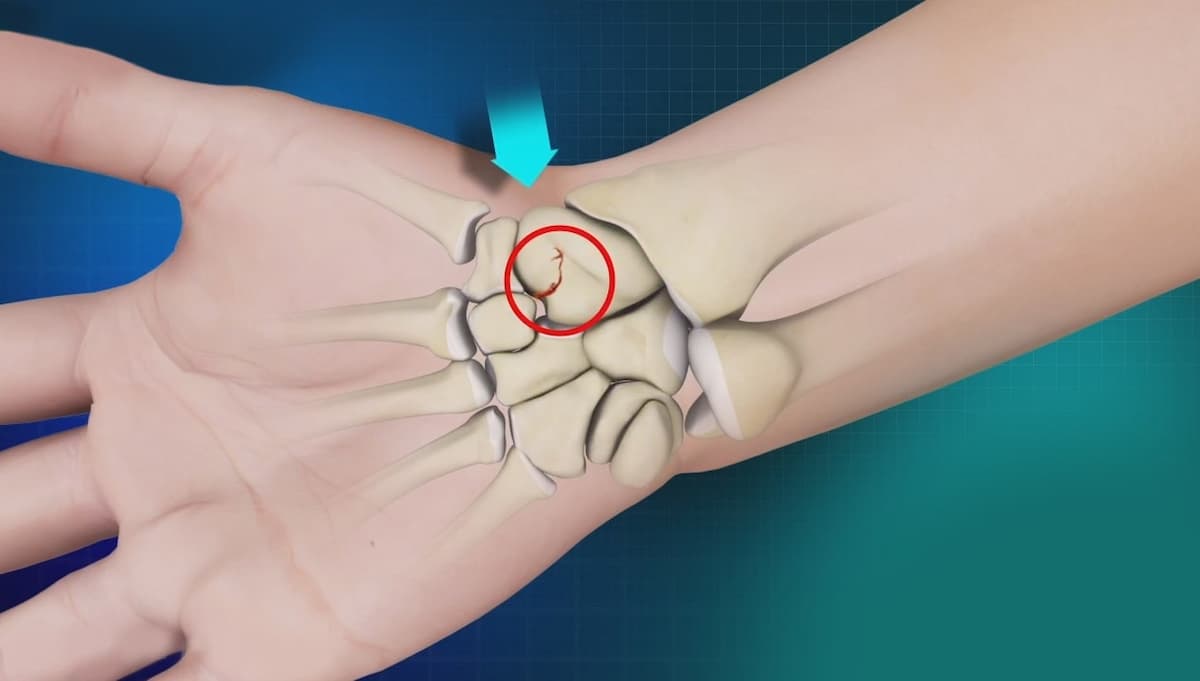
Is that the hand is an essential and very important tool that we rely on mainly in most of our daily tasks, so any injury to the hand greatly affects the person and hinders many of his tasks.
The hand works according to a very precise system and consists of different networks of blood vessels, tendons, ligaments, bones, muscles and nerves, so hand injuries differ in their symptoms and methods of treatment according to the type and location of the defect and the affected part of the hand. Here are some common injuries that occur in the hand:
The layer of tissue under the skin in the area of the fingers and palms is called fascia. In addition, this layer of tissue represents a great pressure on the tendons of the hand.
In this case, surgery to remove or loosen the cords around the hand tendons is recommended in cases where the coiled tissue limits a person’s use of the hand.
Tendon dissection operation is not a major surgery as it can be performed using local anesthesia, and the operation usually does not require a hospital stay, as it can be performed on an outpatient basis, which means that the patient does not need to stay in the hospital for a long time and can leave the hospital on the same day.
After surgery, the patient may need physical and rehabilitative therapy to restore the normal functions and movements of the hand.
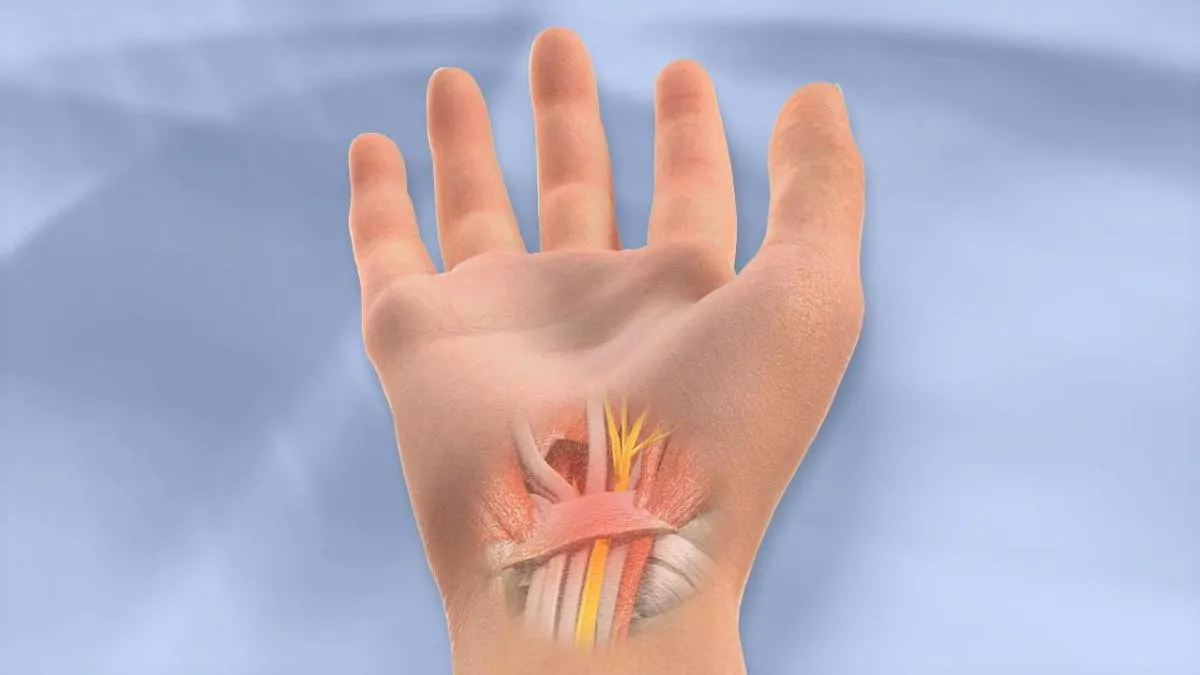
Hand nerve tightness and suffocation|The process of wiring the nerves of
the hand nerves is subject to several different types of injuries, including injuries resulting from pressure, cutting, stretching and suffocation,The injury to the nerves of the hand leads to the disruption of the sensory, feeling and motor functions of the hand due to the loss of the ability to communicate with the brain and receive messages from the brain.
The main symptom of nerve damage in the hand is loss of sensation, which means no feeling of pain, heat and cold in the hand area, which may expose the person to serious injuries such as burns and cuts, but sometimes nerve damage may also cause increased sensation and pain. Hand nerves are wired or repaired under local or general anesthesia using an endoscope under the guidance of a specialized camera through a small incision not exceeding one centimeter.
Synovial cysts are the accumulation of fluid in a lump under the skin, and usually synovial sacs form near joints, especially in the hand at the wrist of the hands. The synovial sac is removed endoscopically during a fairly simple surgical procedure, in which the doctor makes a small incision and inserts the endoscope through it to explore and remove the synovial sac.

The synovial sac, part of the adjacent joint capsule, and part of the bursa of the adjacent tendon are removed to remove the roots of the synovial sac to ensure that it does not form again later.
The operation to remove the synovial cyst is not one of the operations that requires a hospital stay because it is one of the one-day surgeries that the patient can leave the hospital after performing it on the same day.
In case of any rupture or rupture of the hand and foot tendons, the patient needs to undergo arthroscopic surgery to reconstruct the torn tendon, either by correcting the injury directly or through tendon grafting, where a portion of any other tendon in the body is taken to replace the damaged portion from the tendon.
Endoscopic tendon repair and reconstruction are performed under local or general anesthesia, and the patient may need to stay for two days in the hospital after that.
Prof. Khaled Batterjee (consultant of orthopedic surgery, spine surgery and artificial joints) has performed various simple and complex hand surgeries, and has achieved many successes in treating various fractures and injuries of the hand.



All rights reserved to @ Dr. Khaled Batterjee Clinics website.